International School in Rzeszów, British Curriculum, 15 years of experience
International Primary School offers high quality education through a holistic approach focussed on addressing every pupil’s individual strengths and needs. It covers grades 1 through 8 of elementary school. IPS Primary during the first five years of school lay the foundation for a child’s cognitive, social, and emotional development. During this period, children develop essential skills such as language, problem-solving, and critical thinking, which shape their future learning.
IPS Lower Secondary covers grades 6 through 8 of the elementary school. It builds on the foundations of the Primary stage, developing strong academic and subject-based skills while encouraging critical thinking, independence, and a deeper understanding of the world.
We integrate a framework of transdisciplinary units with the International Education curriculum to provide a comprehensive and well-rounded learning experience.
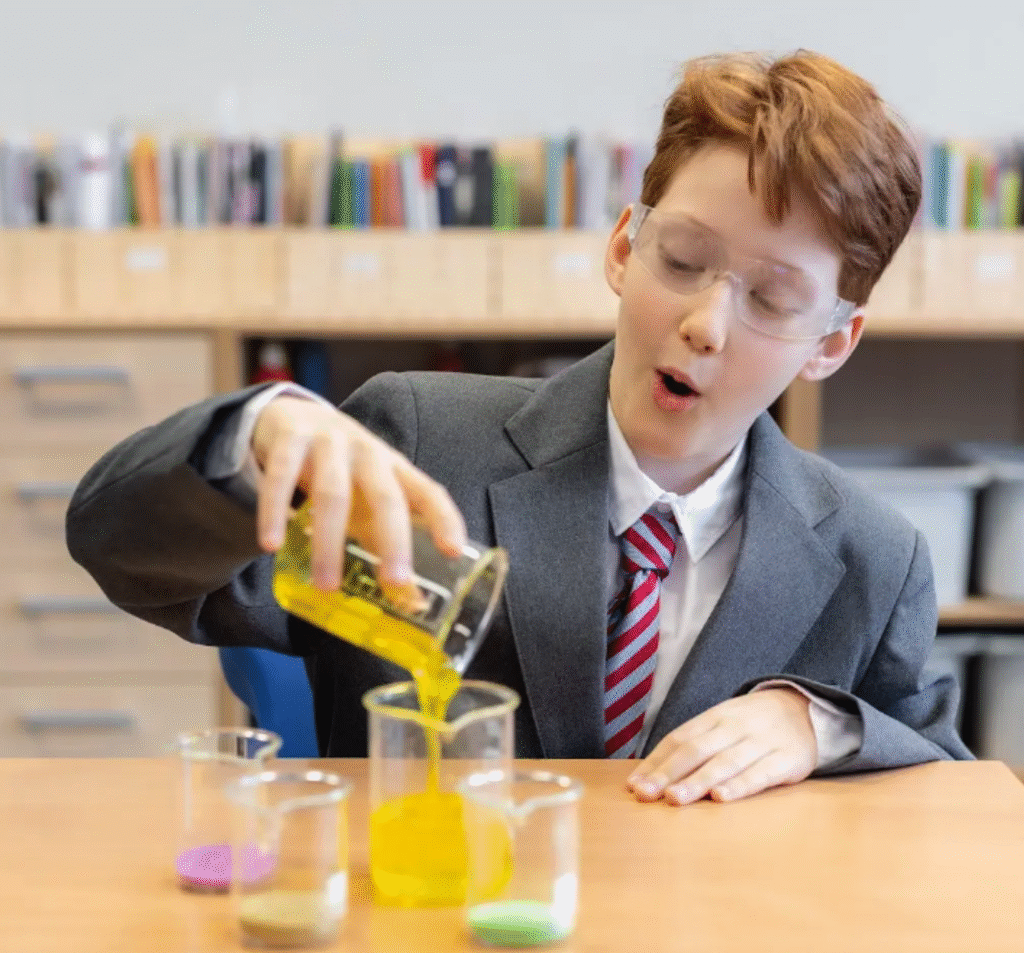
This combination ensures that students receive a global education that fosters inquiry, agency, and a strong sense of community, while meeting internationally recognized and rigorous academic standards.
The thematic units framework focuses on developing the whole child as an inquirer. It uses six global themes and integrates knowledge from six subject areas with interdisciplinary skills. The framework emphasizes inquiry, agency, and self-reliance, empowering students to take control of their learning and build a strong sense of identity and community. At IPS Primary, students showcase these values in an annual IPS Passion Project Fair at the end of grade 5, demonstrating these goals and values within a tangible framework of a final project. Students are encouraged to explore topics that matter to them, ask meaningful questions, and present their findings creatively. The process builds critical thinking, communication, and presentation skills. This event not only celebrates student voice and choice but also reflects the depth of learning that occurs throughout the primary years.
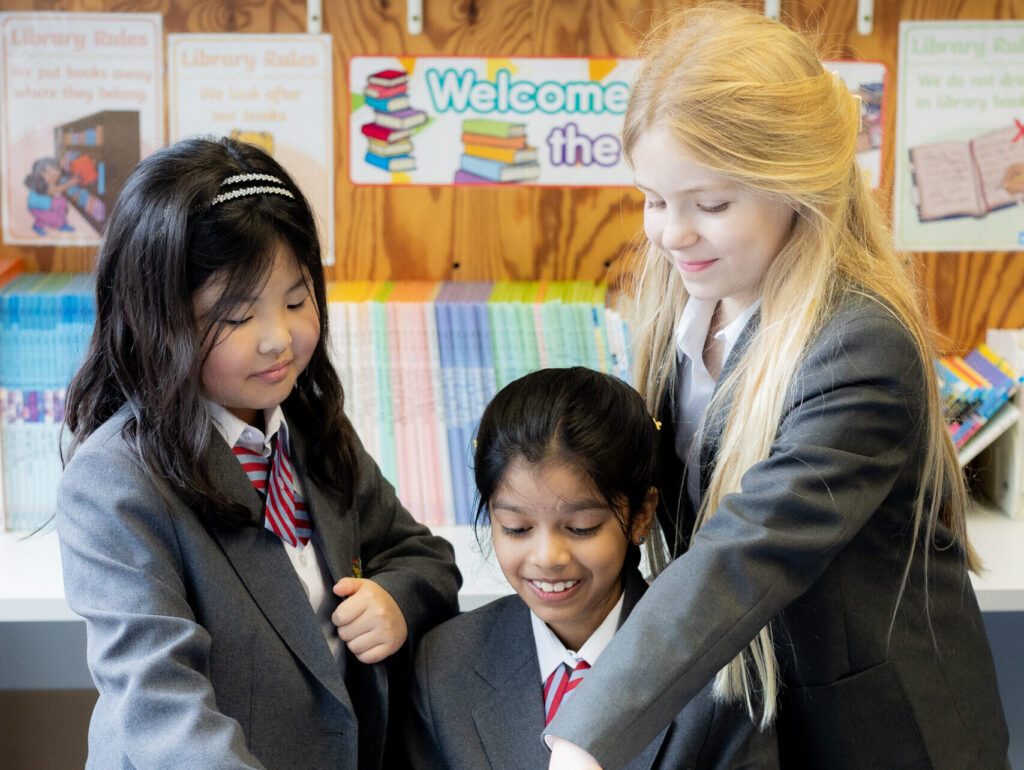
Our Primary programme, built on the Oxford International Curriculum, gives children a coherent foundation across every subject rather than a patchwork of standalone lessons. Maths, science, English and computing follow a problem-solving approach that asks children to explore concepts actively, not just absorb them, while wellbeing is woven through the curriculum from day one to build resilience and a genuine love of learning. Polish language, history and geography sit alongside this as a core, equally weighted part of each child’s week. Crucially, this curriculum is designed as the first stage of a single, coherent pathway towards OxfordAQA International GCSEs and A-levels, qualifications set by a partnership between Oxford University Press and AQA, the UK’s largest exam board, with over 120 years of assessment expertise behind them. So from the very first years of school, children are building directly towards qualifications that universities including Oxford, Cambridge, the UK’s Russell Group and the USA’s Ivy League already recognise and value.
International Primary Curriculum
(ages 5–11)
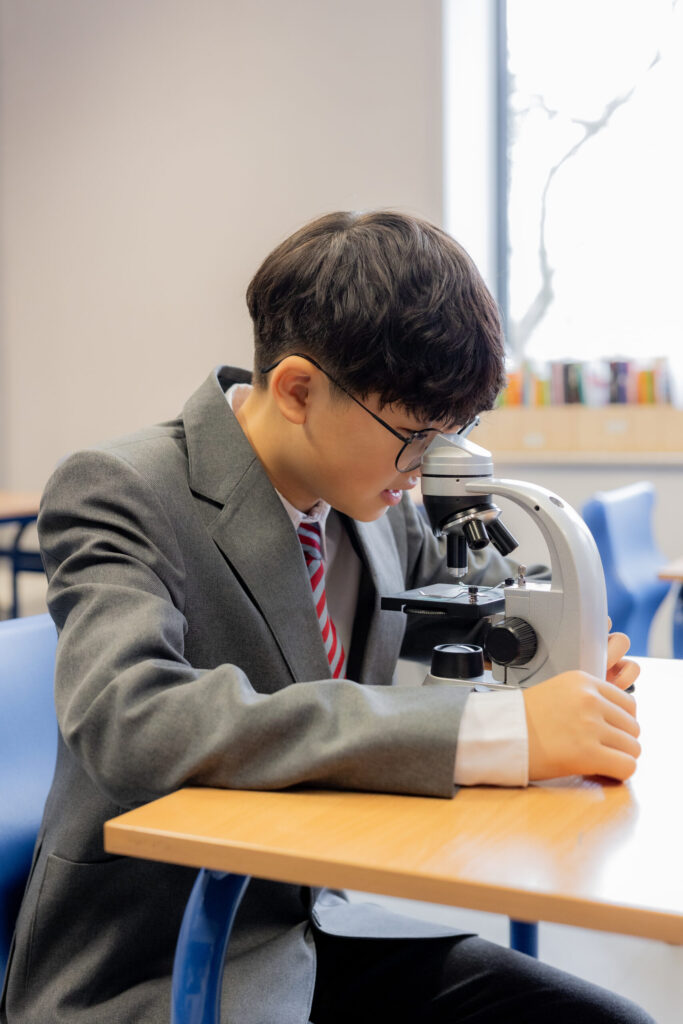
International Lower Secondary
Curriculum (ages 11–14)
Lower Secondary builds directly on that foundation, deepening subject knowledge while preparing students for the rigour of international exams ahead. The curriculum sharpens focus on scientific enquiry, mathematical reasoning and computing skills relevant to today’s world, including AI, data and digital responsibility, taught with the same problem-solving approach students know from Primary. Polish language, history and geography continue as compulsory, co-equal subjects, keeping students firmly grounded in the national curriculum alongside their international studies. By Year 9, students are on the direct approach to OxfordAQA International GCSEs, the internationally recognised qualifications that graded over a million UK students last year and are accepted by universities worldwide for the strength and fairness of their assessment. That means every skill built in Lower Secondary has a clear, well-defined destination, not just a general sense of “getting ready.”
At IPS, we value and support the host country's language and culture.
We follow the Polish National Curriculum for Polish Language, History of Poland and Geography of Poland to ensure students develop a strong connection to Poland’s heritage.
Our international students are provided with the opportunity to learn Polish as a Second Language to be able to effectively communicate and develop a deeper understanding of Polish culture and society.
By integrating Polish curriculum requirements, we provide a balanced education that honors both local and global learning. This approach fosters respect for the host country while celebrating cultural diversity. It also helps students feel more connected to the local community and environment.
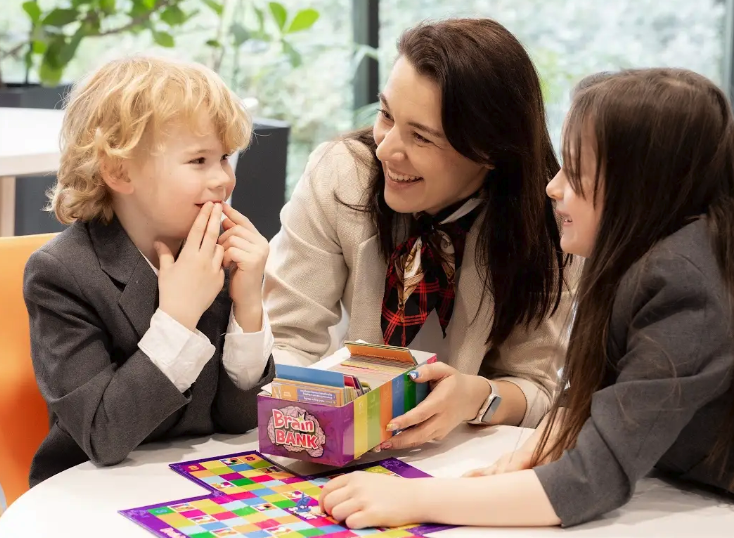
National or international exams as precise and high-standard diagnostic tools
Towards the end of the elementary school level IPS students approach two important examinations within the educational programmes they follow:
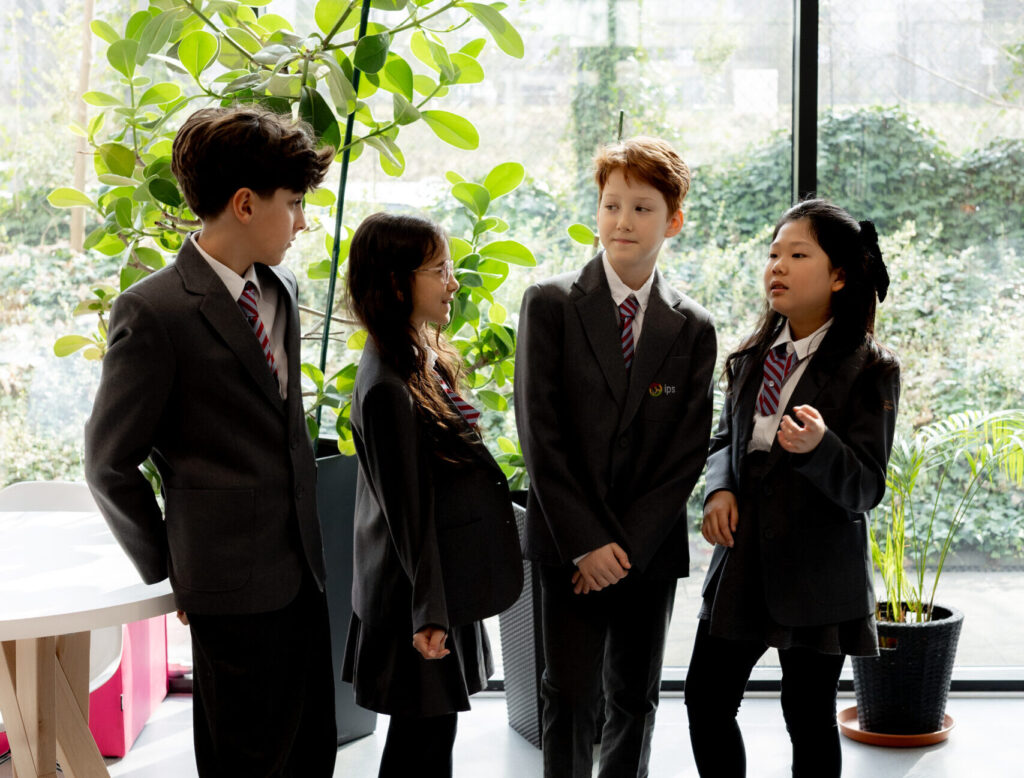
International Examinaton Assessments
International assessment designed for students at the end of the Lower Secondary stage. It evaluates students’ knowledge and skills in three key subjects – English, Mathematics and Science – and provides valuable feedback on the academic progress of individual students, learning cohorts and the whole grade level. The results offer a clear indication of readiness for the next stage of their education, areas of further study as well as their areas of excellence.
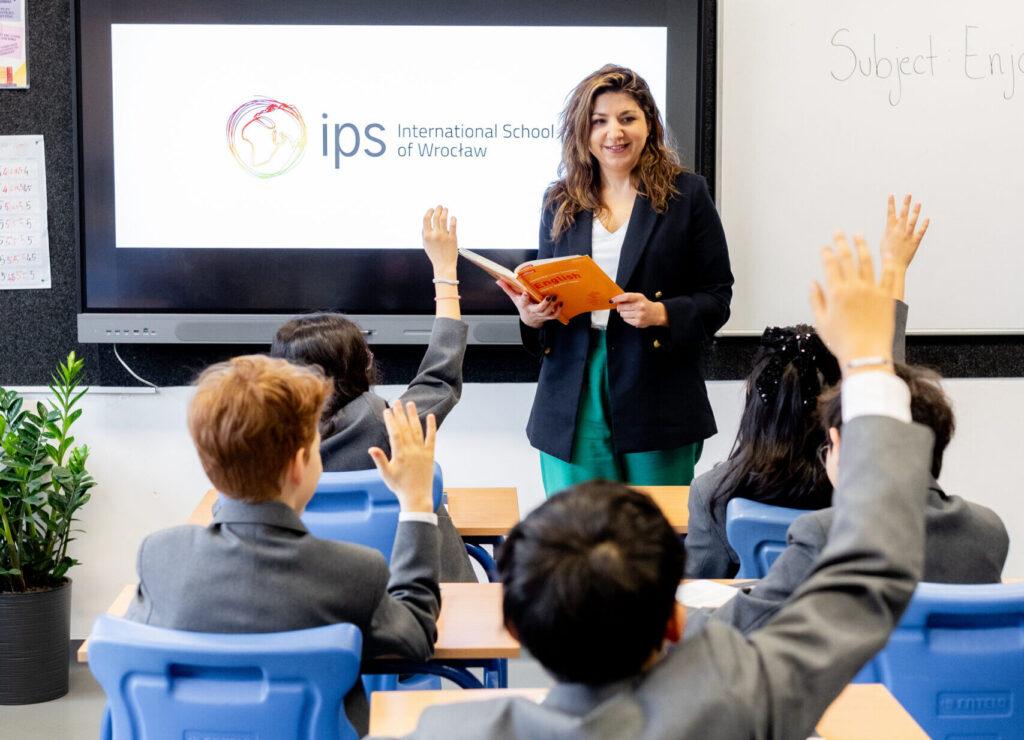
Egzamin Ósmoklasisty (8th-grade exam
Egzamin Ósmoklasisty (8th-grade exam), is a national assessment taken by students at the conclusion of their primary education. It includes three main subjects: Polish Language, Mathematics, and a Foreign Language (usually English). The exam assesses students’ knowledge and skills acquired during their primary school years, focusing on reading comprehension, writing, problem-solving, and language proficiency.